
Hosting a buyer dinner on your US trip: the visiting founder's playbook
Turn an SF founder trip dinner into pipeline with a tighter buyer thesis, guest list, room plan, and follow-up path.
The short version. Host one tight buyer dinner around a live pain your product fixes, then treat every seat like account work before you land in SF. Small wins. A visiting founder turns dinner into pipeline when the guest list, table prompt, room, and next-morning follow-up all point at the same deal path.
Before you start:
- Narrow the dinner to a buyer pain instead of a generic founder meetup
- Fill seats from target accounts, warm paths, peer connectors, and real budget owners
- Pick a quiet room where buyers can trade notes without feeling pitched
- Write the morning follow-up before dessert memory fades
Step 1: Pick a narrow buyer thesis, with done looking like a table promise
Pick a pain that can carry the table: cloud cost waste, sales handoff drift, security review drag, or another job your product already handles. Keep it narrow. A dinner built around a crisp buyer pain gives strangers a reason to trade notes, while a dinner built around your company turns every guest into a polite listener.
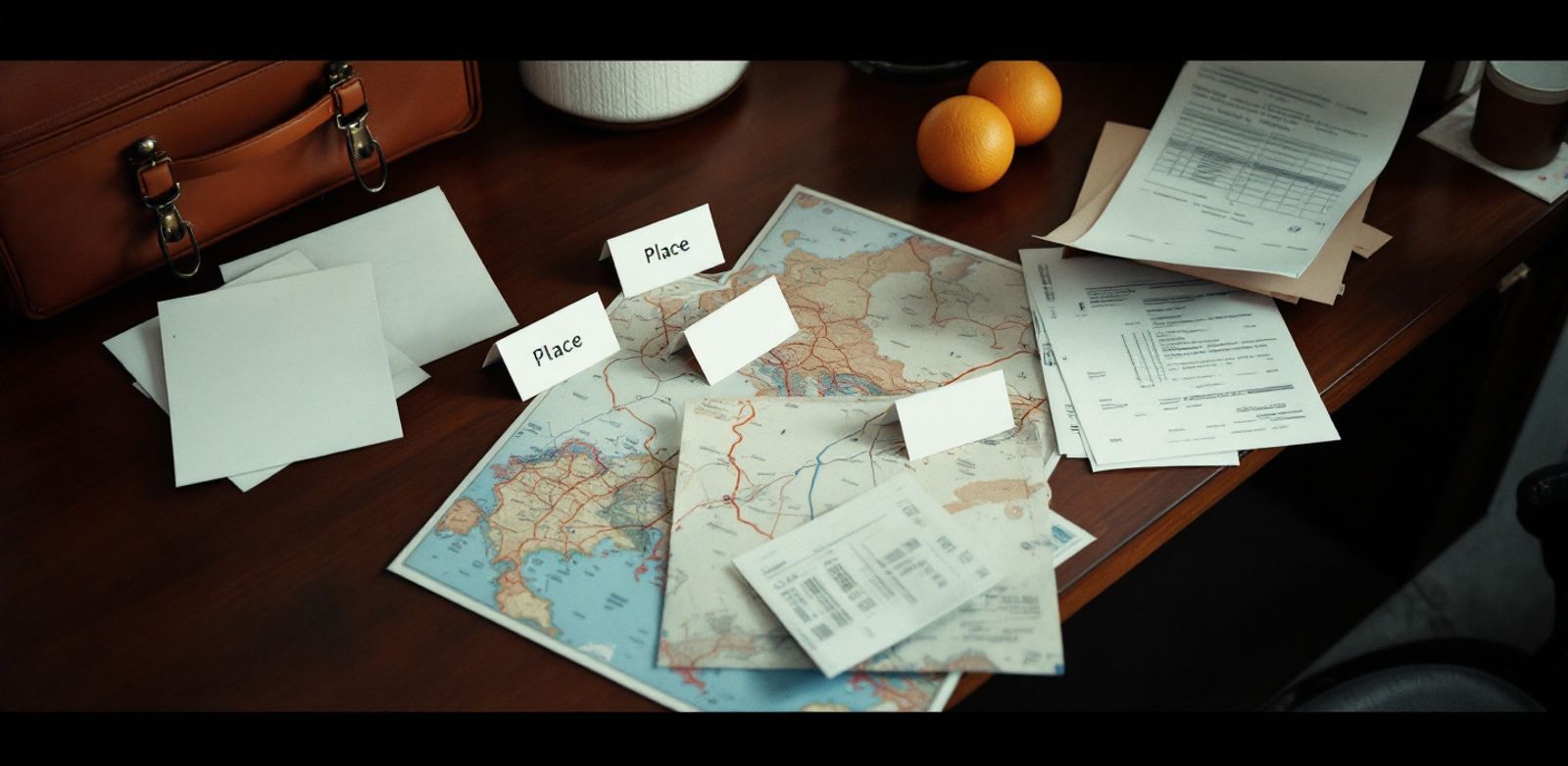
Your table promise should feel like a peer room where buyers compare notes freely. A line is enough. For example, a founder in SF for two weeks might host operators wrestling with AI workflow rollouts, then use the meal to hear how budget owners judge risk, urgency, vendor trust, and internal lift.
- Buyer role named
- Painful workflow named
- Table promise written
- Follow-up path sketched
Step 2: Rank the guest list, with done looking like a seat map
Rank guests by account fit first, social cache later. Status distracts. A useful table has buyers who feel the pain, a friendly customer if available, a quiet connector, and a wildcard buyer from the next account tier you want tomorrow.
Start with accounts already warm through outbound, LinkedIn, investors, or founder referrals. Your cold notes still matter; Does cold outbound still work in 2026? Benchmarks and what gets replies is the bar I would use before any dinner invite leaves your inbox. Weak fit kills the room.
- Buying power
- Live pain
- Peer value
- US timing
- Founder fan club excluded
Step 3: Write invites as sales notes, with done looking like warm yeses
Write the invite like a sales note: personal, specific, light on ego, and easy to refuse. No mass blast. A buyer should know why the room helps them, who else will roughly be there, and what problem the table will unpack before dessert lands at the table.
Send from your own inbox. A cohost can help if they own real trust with the buyer, yet the founder should carry the note when the trip exists to learn and build pipeline. Mention the narrow theme, the city, the meal, and the kind of peer mix without spraying names.
- Subject line with the pain
- Brief reason for them
- Peer mix without name-dropping
- Easy no-pressure out
- Calendar hold after yes
Step 4: Choose the room, with done looking like a calm buyer-safe table
Choose a room that lets buyers hear each other. Noise ruins deals. OpenTable private dining and Resy venue pages help you scout rooms, but the filter that matters is simple: roundish table, low music, easy transit, and no scene energy.
Pick a restaurant near the buyer cluster. Skip the conference after-party strip. Venue signals taste and care, while the room should fade into the background when hard topics arrive and buyers start comparing scars with peers they just met. Dietary needs, arrival flow, host stand names, and payment plan belong in your notes before any guest walks in.
- Quiet table
- Transit-friendly area
- Clear host stand note
- Dietary needs captured
- Founder pays cleanly
Step 5: Run the dinner, with done looking like named pain and next steps
Open with a small frame, then stop talking. Guests came for peers. A useful opener names shared pain, gives each person a quick way in, sets a light rhythm, and makes the rule plain: no demos at the table unless a buyer asks.
Steer with buyer prompts. Kill founder monologues. Ask where the workflow breaks, how teams patch it today, what would make a vendor feel safe, and who else gets dragged into the deal internally. When someone leans forward, capture the phrase in your notes after dinner rather than breaking the spell with a laptop.
- Pain heard in buyer words
- Deal map clues
- Risk terms
- Follow-up reason
Step 6: Convert the morning after, with done looking like booked buyer calls
Send follow-up the next morning while the dinner still feels warm. Speed matters. Each note should carry a buyer phrase, a relevant asset, a proposed next meeting, and a clean reason that meeting helps the buyer move internal work forward.
Put every thread into CRM before memory gets soft. A founder-led dinner that lives only in WhatsApp becomes folklore; The only GTM metrics that matter before Series B gives you the field of view for what should move after the trip. Pipeline needs receipts.
- Buyer phrase
- Pain severity
- Next meeting owner
- Deal stage guess
- Warm intro path
What goes wrong?
Founders often overfill the room with friends, VCs, service vendors, and people who enjoy free meals. Bad mix shows. Buyers stop sharing when they feel watched by sellers or pitched by side characters, and the founder leaves with selfies instead of deal notes that no buyer will defend later.
Another trap is treating dinner like a stage for your roadmap. Resist that pull. The US trip is scarce time, and the highest value comes from buyer language you can reuse in outbound, demos, pricing talks, and board updates back home.
- Too many non-buyers
- Loose theme
- Loud room
- Pitch-heavy founder
- No morning follow-up
Step 7: Fold the dinner into the US trip, with done looking like a repeatable play
Fold the dinner back into the whole US trip. Trips compound. The same pain theme should shape your outbound, investor chats, event hallway asks, and demo script while you are in SF for two weeks; otherwise each day drifts into random coffees.
For a technical founder, the dinner also trains a sales ear without forcing cosplay as a polished AE. Founder presence matters. A fractional GTM team can help turn this fieldwork into repeatable US market entry, but the founder has to earn the room before any playbook deserves scale. The sibling piece Founder-led sales for technical founders who have never sold fits beside the dinner notes.
Common questions
I'm in SF for two weeks. How do I host a dinner that turns into pipeline?
Host around a narrow buyer pain and fill seats from accounts you already want. Keep it small. The dinner turns into pipeline when each seat adds peer value, each invite maps to an account, each table prompt reveals deal pain, and each next-morning note asks for a specific buyer meeting tied to what they said.
Should I invite investors to the buyer dinner?
Invite an investor only if they add buyer context or trust without pulling focus. Most investor-heavy dinners make buyers guard their words. A pure buyer room gives you cleaner pain, sharper language, deal map clues, and fewer side quests after the meal than a table built for status.
How many people should sit at the table?
Use a table size where everyone can speak without raising a hand. Intimacy beats scale. If the room gets too large, buyers split into pockets and you lose the shared thread that makes follow-up feel natural after everyone flies home again. A private corner with the founder as host beats a banquet room with half the city.
What if no one accepts the dinner invite?
Treat weak replies as a signal that the theme or guest fit needs work. Do not chase a vanity dinner. A smaller coffee salon with the right buyers beats a full table of loose contacts, and the same guest map can feed outbound for the rest of the trip.